
Our Mission
To protect the environment by the proper collection and treatment of wastewater in compliance with our NJDEP permit and regulations. To provide our customers satisfactory service at the most economical rate, while maintaining our infrastructure and facilities.
Operate our facilities in an environmentally sound manner.
Monitor our facilities to ascertain compliance with our permit.
Maintain and improve our infrastructure, equipment and facilities to provide adequate treatment and capacity.
To develop a well trained skilled work force and safe work environment
Control costs so as to provide the best service at the most economical rate while achieving the above


Service Area
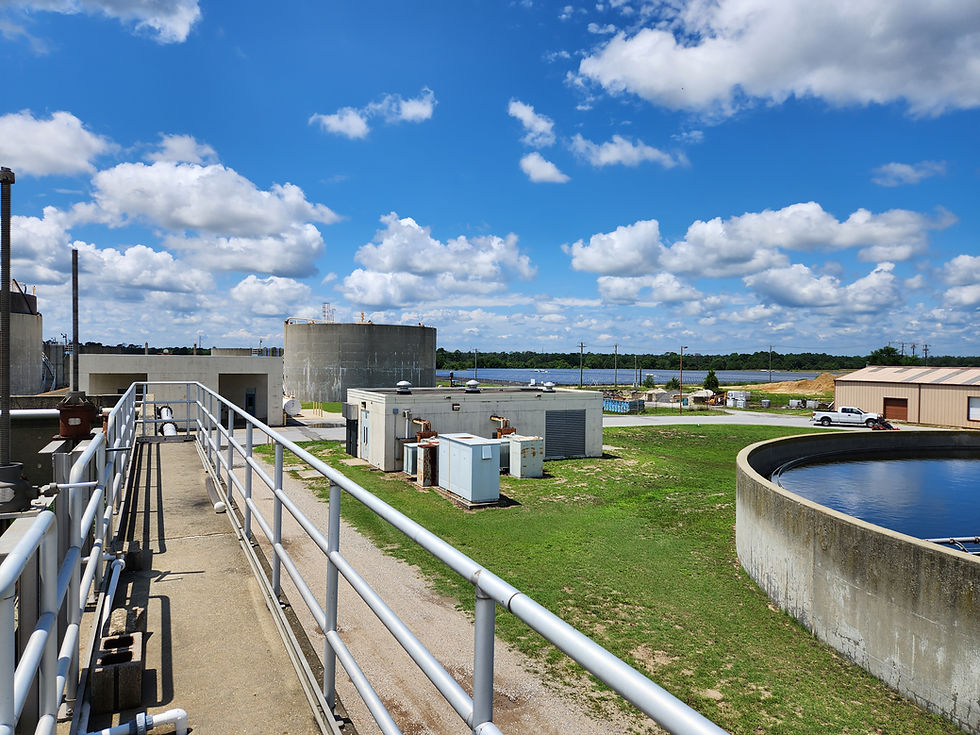
Currently the Landis Sewerage Authority (LSA) service area consists of eighty square miles of which half of that is sewered for a population of 37,000. Also, the LSA’s infrastructure consists of 120 miles of collection system and twenty-seven pump stations. Currently, LSA has a 10.2 million gallons per day (MGD) permitted capacity and average flows of 5.32 MGD that processes wastewater (nitrification and denitrification with some phosphorous removal) and returns all that treated water back to the aquifer through infiltration basins and spray irrigation. LSA is the largest treatment plant in New Jersey that discharges all treated water back into the ground.
LSA provides a modernized, cost-effective and environmentally sound treatment and disposal system for its customers. LSA continues to plan, new and changing regulations, growing populations, and increasing environmental concerns make it imperative to continue moving forward.

Successful Land Application & Biosolids Management
Biosolids are solid organic matter recovered from the wastewater treatment process. LSA has been land applying biosolids to approximately four hundred acres of Agricultural Site or farm since 1989. Most of the farm is in the neighboring community of Deerfield Township.
The LSA biosolids are rich in both nitrogen and phosphorus. Small grains (rye, winter wheat), field corn, hays and sorghum sudan grass for cattle feed have been grown and an annual gross income offsets the cost to operate the farm.
LSA’s forest stewardship/woodland management plan demonstrates commitment to natural resources. The goal is to provide a healthier, stronger forest habitat, increasing game habitat for things such as deer, bob white, turkey and wildlife and the great reduction in forest fire potential on approximately 1,800 acres of land.